Fuel Partners Consulting | Industry Insights
What dealers need to know before signing or renewing a fuel supply agreement with a major fuel company
By Linda Thompson, Fuel Partners Consulting Inc. | June 2026
Why More Gas Station Owners Are Choosing Regional Fuel Brands?
Most dealers renew their fuel supply agreement because it feels easier than asking the question no one wants to answer: is this arrangement still working in my favour?
Across Canada, gas station owners operating under regional fuel suppliers are competing successfully and in some cases outperforming sites carrying the logo of the largest fuel companies in North America. The reason is simple: consumers are buying fuel differently than they were twenty years ago, and the cost of carrying a major brand has increased.
Most dealers know their rack price. Far fewer know the true cost of their fuel supply agreement once brand fees, loyalty costs, technology requirements, and volume commitments are factored in. Even fewer compare those costs against alternative fuel suppliers.
If you are approaching a renewal, this article is for you.
The True Cost of a Major Brand Fuel Supply Agreement
A fuel supply agreement with a major fuel company — Shell, Esso, Mobil, Petro-Canada, Irving, Ultramar — is a bundled package that includes supply access, loyalty program participation, brand standards, and image requirements. The fuel margin economics look different once you account for everything in that bundle.
Operating under a major supplier typically means rack pricing above open market, brand and image fees, loyalty program costs, credit card processing at standard branded rates, technology requirements, and volume commitments with penalties. On a high-volume site, those lines represent a material annual cost. Many gas station owners have never fully measured whether the brand generates enough incremental value to offset it.
There are dealers where the major brand earns its cost — sites with strong fleet accounts, high-traffic highway locations, or deep loyalty program penetration. For those operators, the fuel supply agreement delivers real value. The question is whether it delivers enough value for your specific site.
Yet many dealers spend more time negotiating fuel margin pennies than evaluating the total cost of the supplier relationship itself.
Small improvements in fuel margin economics compound significantly.
On a site pumping 4 million litres annually, a 2¢/L improvement in net margin generates approximately $80,000 per year in additional gross profit — roughly $800,000 over a typical 10-year fuel supply agreement. That is not a rounding error — it is the difference between a thriving operation and one that is simply surviving.
A major fuel brand is not a guarantee of profitability. Banks may take comfort in a nationally recognized banner, but a recognizable logo cannot fix weak site economics. Ultimately, cash flow pays the bills, not brand recognition.
A strong brand can support a good business. It rarely rescues a bad one.
We have seen major-branded sites enter receivership and independent sites thrive. The lesson is simple: brand alone does not determine success. The underlying economics, location, and execution matter far more.
When Fuel Supplier Loyalty Programs Stopped Being an Advantage?
Twenty years ago, a major fuel supplier’s loyalty program was a genuine competitive advantage. That dynamic has changed. Today, almost every consumer carries a rewards ecosystem with no connection to their fuel supplier:
- Cash-back credit cards paying a percentage on every fuel purchase
- Airline rewards cards such as Aeroplan American Express or Visa
- Travel and merchandise cards such as Air Miles and PC Financial Mastercard
- Premium points cards such as World Elite Mastercard and AMEX Cobalt
Today, many customers are more loyal to their credit card rewards program than they are to any fuel brand
“Customers don’t buy loyalty programs. They buy fuel. And they usually start by looking at the price sign.”
Major fuel supplier loyalty programs are not free. Dealers fund them through fees, participation requirements, and supply arrangements. The question is whether the incremental traffic justifies the incremental cost — and in many markets today, it does not.
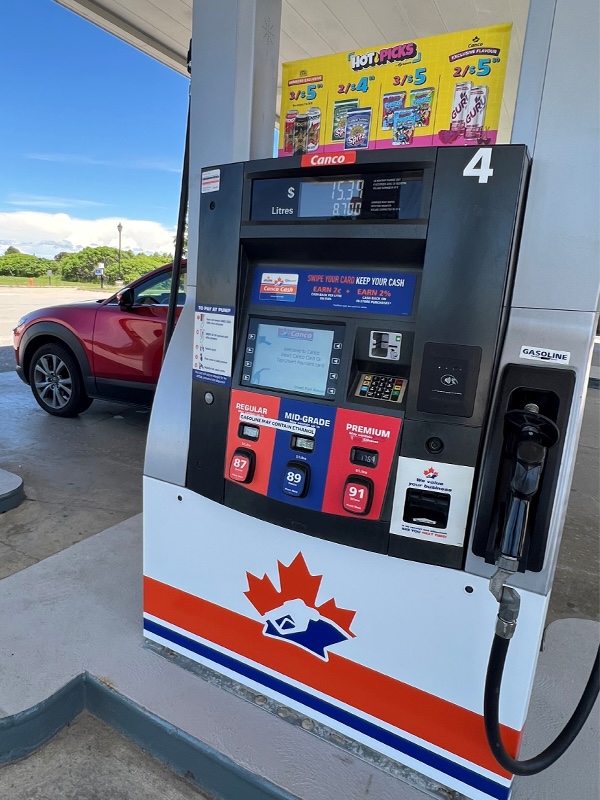
What Drives Consumer Choice at the Pump?
Gasoline in Canada is largely sourced from the same refineries and distribution terminals regardless of which fuel supplier’s brand is on the canopy. For most drivers, fuel is a commodity.
Consumer decisions at the pump follow a consistent hierarchy:
- Price first — a cent or two per litre is immediately noticeable
- Convenience second — on-route, easy access, fast in and out
- Service third — consistent, friendly staff turn a transaction into a reason to return
- Facility amenities fourth — a well-lit, clean forecourt and tidy store signal quality
A major fuel supplier can attract a first visit. A well-run site earns every visit after that.
Why Regional Fuel Brands Are Gaining Ground?
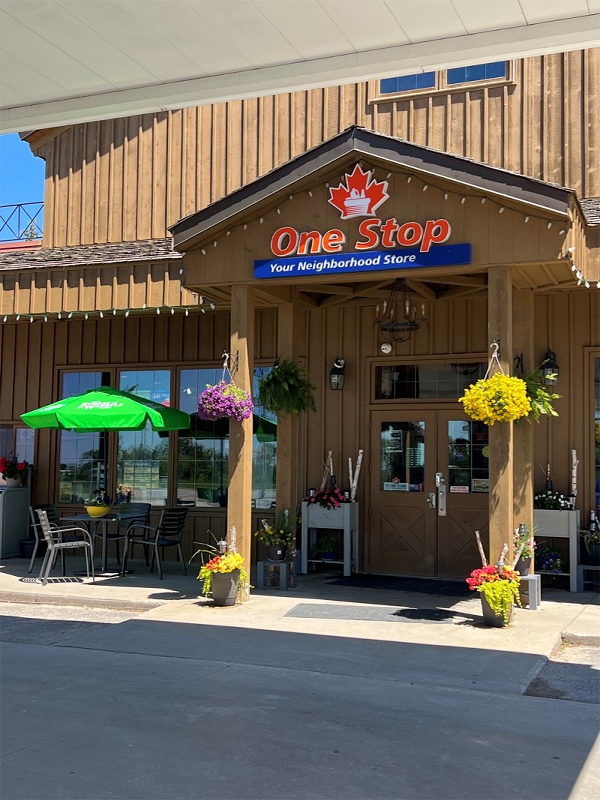
The assumption that a major fuel supplier is inherently superior is one of the most persistent myths in the industry. If branding determined success, regional suppliers would not exist. Yet gas station owners continue to compete against some of the largest fuel companies in North America under regional banners.
Why? Because fuel retailing is ultimately a local business.
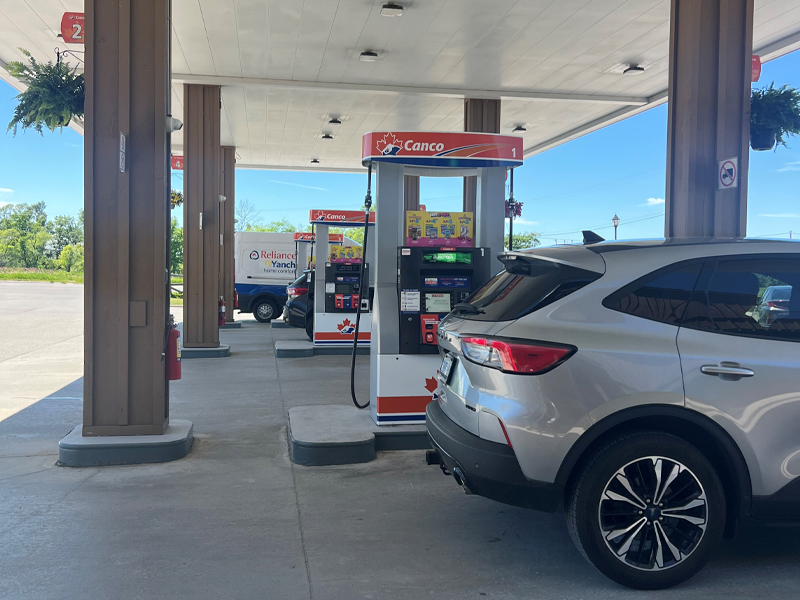
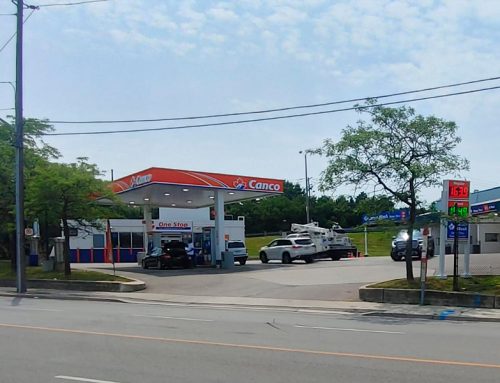
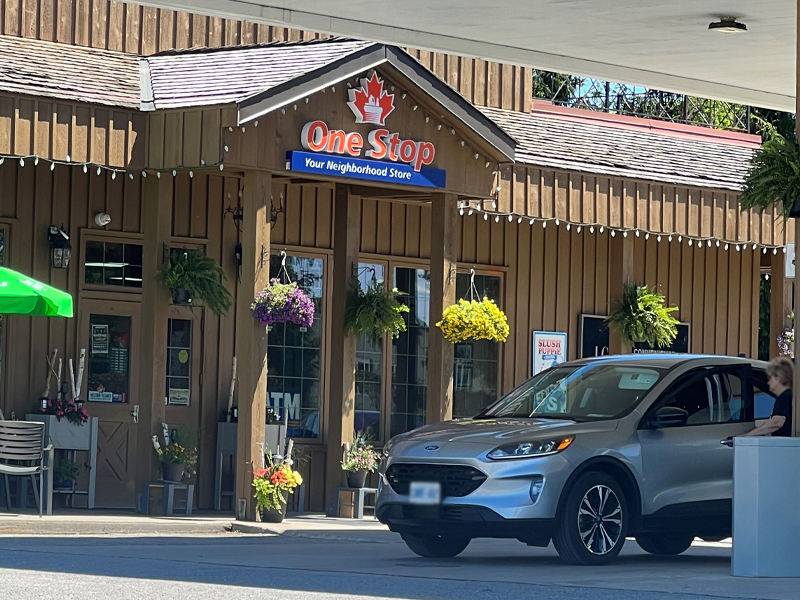
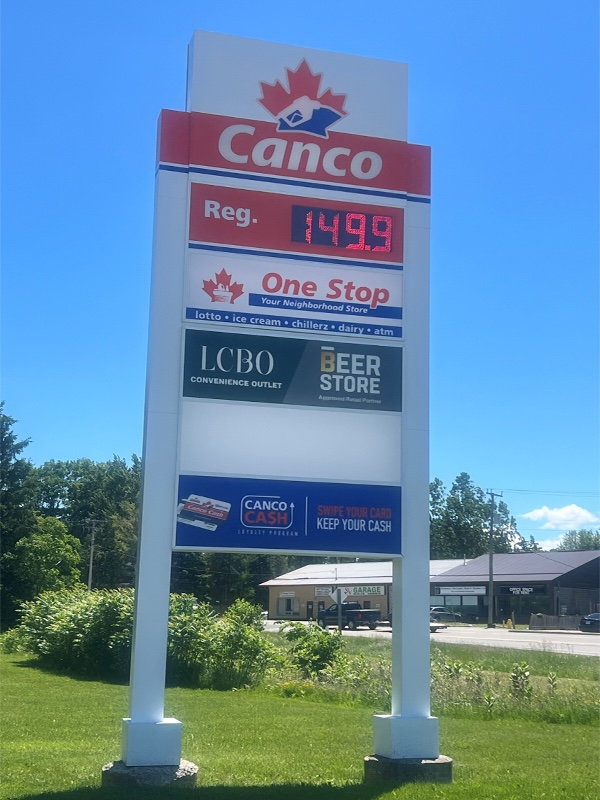
Canada’s strongest regional fuel brands succeeded because they stayed close to their dealers, remained operationally flexible, and built trust in their local markets. Brands such as Canco, Harnois, and Co-op have demonstrated that local execution, dealer support, and competitive economics can compete effectively against much larger national fuel companies.
What those suppliers got right was not advertising. It was everything that happens after the fuel supply agreement is signed. Simple communication, direct relationships, operational flexibility, and transparency really matter. Dealers want to feel like business partners, not franchisees.
Small cost advantages compound over time. With lower supply and branding costs dealers can price more aggressively at the street to gain volume and drive their profitability.
Major QSR brands including Tim Hortons and McDonald’s are actively pairing with regional fuel suppliers and independent dealers across Canada. Closing the co-branding gap that once favoured major fuel companies.
At Fuel Partners, we have seen sites maintain and grow volume after leaving a major fuel supplier. In some cases we have observed double digit volume improvements followed a well-executed brand transition. This is driven by strong operators who passed fuel margin improvements through to street price, reconnected with their local community, and reinvested in their forecourt.
The common factor was never the brand on the canopy. It was the operator’s ability to compete and execute.
Three Questions Every Dealer Should Ask Before Renewing a Fuel Supply Contract
Before you sign or renew a fuel supply agreement, these three questions deserve honest answers:
- What is the true all-in cost of my current fuel supply agreement — brand fees, loyalty, technology, and processing included?
- How much volume would I realistically lose if I switched fuel suppliers?
- Would the fuel margin improvement from a regional supplier offset that volume loss?
Questions around supply continuity, equipment ownership, contract exit terms, and rebranding timelines are real. The key is understanding your obligations before making a change.
Fuel Partners works with gas station owners and dealers across Canada to evaluate fuel supplier options, model the fuel margin economics, and navigate the transition process. Reach out at fuelpartners.ca — we’re happy to talk through what makes sense for your site.
Bottom Line
Major fuel brands deliver real value in the right locations, when the fleet accounts are there, the traffic profile supports it, and the loyalty economics genuinely hold up. But the full cost of a major brand fuel supply agreement is higher than most dealers have measured.
For operators with strong local positioning, switching to a regional fuel supplier can meaningfully improve fuel margin, operational flexibility, and long-term gas station profitability. Your fuel supply agreement should be earning its cost every year. If you haven’t stress-tested that math recently, the answer might surprise you.
The fuel business is local. Success is determined by execution, not marketing spend.
Written by Co-Founder, Fuel Partners Consulting Inc. Linda has advised fuel retailers, dealers, and investors across Canada on supply agreements, brand transitions, and site economics for over 30 years.
About the Author
Linda Thompson has advised fuel retailers, dealers, and investors across Canada on fuel supply agreements, brand transitions, and site economics. She is a recognized expert in downstream fuel retail and a co-founder of Fuel Partners Consulting Inc., Canada’s leading advisory firm for gas station owners and fuel investors.
Connect with Fuel Partners to explore how our strategic insight and hands-on expertise can help you plan your next move. At Fuel Partners, we work with clients navigating the evolving retail fuel, car wash, and convenience landscape — helping them anticipate change, build resilience, and unlock opportunity in every market condition.